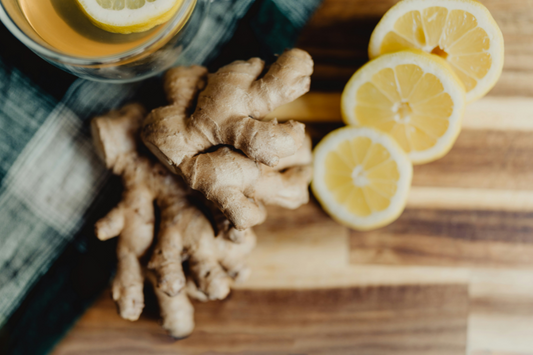
If you’ve ever felt bloated, sluggish or out of sync after a meal, your gut could be trying to tell you something. Digestive issues can affect everything from energy levels to immune health — but the good news is that there are simple, natural ways to support your gut every day.
In this guide, we’ll explore the best foods, habits and healthy herbal teas that promote better digestion — and why your gut health matters more than you might think.
Why Is Gut Health So Important?
Your gut does more than just digest food. It plays a key role in your immune system, hormone balance, and even mood. A healthy gut helps your body absorb nutrients efficiently and eliminates waste properly — but when things are off, you might experience:
- Bloating or gas after meals
- Irregular bowel movements
- Low energy and brain fog
- Food intolerances or sensitivities
Over time, poor gut health can also impact immune resilience, inflammation and mental wellbeing. That’s why creating a balanced routine — including what you eat and drink — can make a big difference.
1. Eat Whole Foods Rich in Fibre and Fermentation
One of the best ways to support digestion naturally is through your diet. Fibre feeds the good bacteria in your gut, while fermented foods introduce beneficial microbes. Try including:
- Fibre-rich foods – oats, flaxseeds, apples, leafy greens, lentils
- Fermented foods – yoghurt, kefir, kimchi, sauerkraut, miso
- Healthy fats – avocado, olive oil, nuts (to help nutrient absorption)
These help build a diverse microbiome, which is key to healthy digestion, stable energy and long-term immune support.
2. Sip Herbal Teas That Soothe Digestion
Many herbal teas are traditionally used to support the digestive system — especially those with warming or carminative herbs like ginger, turmeric and peppermint.
Some of the best teas for digestion include:
- Ginger tea – helps reduce bloating, nausea and sluggish digestion
- Turmeric tea – known to support liver function and reduce inflammation
- Fennel or peppermint tea – may ease cramping and support bowel flow
Looking for an easy way to incorporate these? Our turmeric, ginger and ashwagandha tea is a gentle and calming blend — perfect for your post-lunch or evening routine.
You can learn more in our in-depth guide: Best Herbal Teas for Digestion: Natural Ways to Soothe Your Gut
3. Be Mindful About When and How You Eat
It’s not just what you eat — it’s how you eat. Supporting digestion starts with slowing down and creating a better mealtime environment. Here are a few habits that can help:
- Chew slowly to kickstart digestion in the mouth
- Don’t eat on the go – try to sit down and relax while you eat
- Stop eating when 80% full to avoid overburdening the gut
Small changes like these can reduce bloating and make meals easier to digest.
4. Try Ginger or Turmeric for Bloating
Both ginger and turmeric have long been used in natural medicine to support gut health.
- Ginger may help stimulate stomach acid, reduce nausea, and promote motility (gut movement)
- Turmeric is often used to support liver function and reduce inflammation in the gut lining
Ginger tea for digestion and turmeric tea for bloating are easy, accessible ways to bring these herbs into your day — especially when combined in one calming brew.
5. Build a Daily Routine That Works for You
Gut health responds best to consistency — so rather than looking for quick fixes, aim to build small, regular habits that support your system over time. For example:
- Start your morning with a warm cup of ginger tea or natural turmeric tea
- Eat meals at regular times to help set your digestive rhythm
- Use a tea subscription to stay stocked with your favourite blends
Small steps like these can improve digestion and support a more balanced body and mind — especially during colder months when the gut can feel more sluggish.
FAQ: Your Top Questions About Gut Health Answered
How can I tell if my gut health is out of balance?
Your body often gives subtle clues when something’s not quite right. Common signs of poor gut health include bloating after meals, irregular bowel movements, low energy, changes in mood or new sensitivities to foods. You might also experience brain fog or feel unusually sluggish after eating. If these symptoms show up regularly, it may be a sign that your gut could benefit from more fibre, hydration, calming herbal teas and a focus on foods that support digestion as part of your daily routine.
What foods should I eat for better gut health and digestion?
The best foods for gut health are usually whole, unprocessed ingredients that help nourish your microbiome. Fibre-rich foods, like oats, apples, flaxseeds, lentils and leafy greens, feed beneficial gut bacteria. Fermented foods such as yoghurt, kefir, kimchi and sauerkraut help introduce helpful microbes into your system. Adding healthy fats for digestion, including olive oil, nuts and avocado, can support smoother digestion and better nutrient absorption. Building meals around these foods that support digestion can help keep your gut balanced and more comfortable day to day.
What are the best natural ways to improve digestion every day?
Supporting your digestion naturally starts with small, consistent habits. Eating foods that support digestion, such as fibre-rich vegetables, whole grains and fermented foods, helps keep things moving comfortably. Herbal teas with ginger or turmeric can also offer gentle support after meals. Adding healthy fats for digestion, like avocado, nuts or olive oil, can improve nutrient absorption too. And simple habits like slowing down at mealtimes, chewing well and avoiding eating on the go can make a noticeable difference to help reduce bloating and overall gut comfort.
Final Thoughts: Simple Ways to Support Your Gut
Your digestive health has a ripple effect on every other system in your body. By focusing on fibre, hydration, mindful eating and natural support like herbal tea for gut health, you’re helping your entire body feel more balanced.
If you’re ready to take the next step, explore our collection of healthy herbal teas — including calming blends with ginger, turmeric and ashwagandha to support digestion, immunity and daily wellness.
For more simple tips on feeling your best, head to our blog for easy reads on immune health, daily rituals and more.